Breast Cancer Screening: When to Start Mammograms, and the Signs to Never Ignore

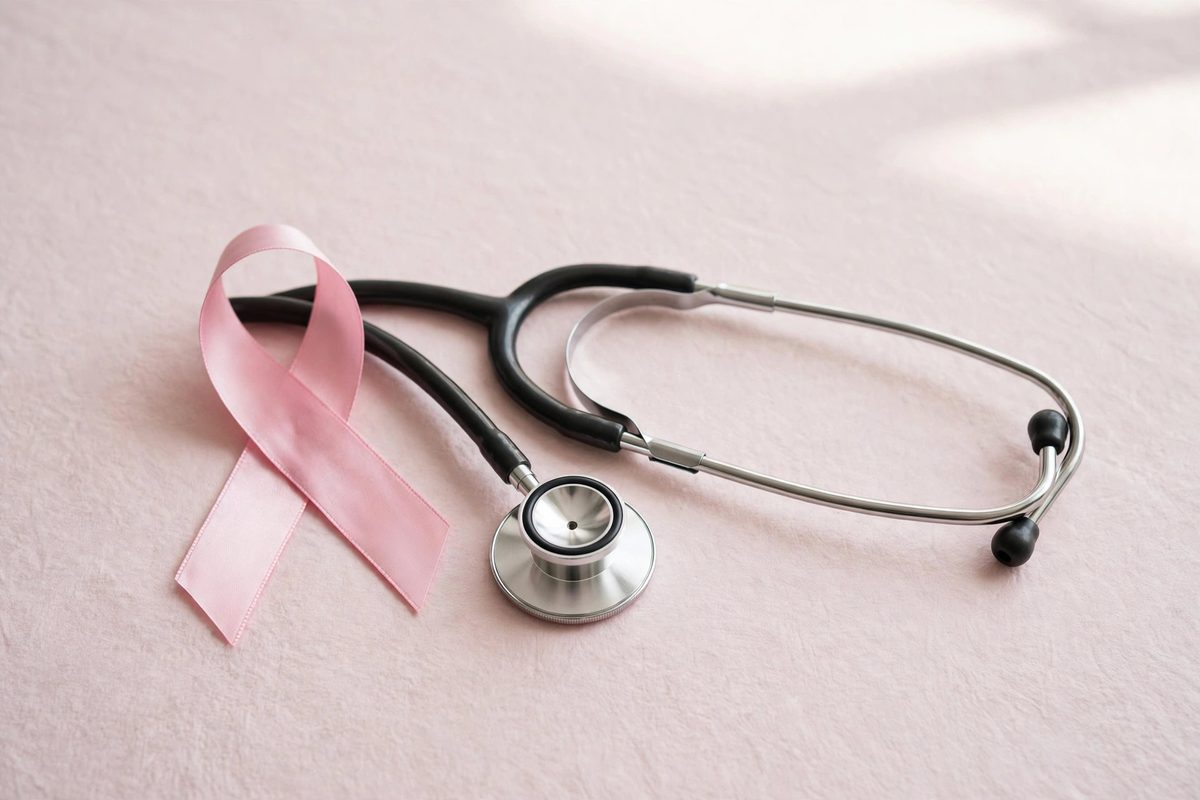
Pink ribbon for Breast Cancer Awareness Month beside a stethoscope

Screening is the reason breast cancer outcomes have transformed: when breast cancer is found while it is still confined to the breast, the 5-year survival rate is about 99%, according to the American Cancer Society. Yet millions of women are unsure when to start mammograms, how often to have them, or which changes are worth a doctor's visit. This guide lays out the current US guidelines plainly — and pairs them with the other half of prevention, staying active, which you can quantify with our steps to miles calculator as you build a walking habit.

The Current Guidelines, Without the Confusion

Two respected US bodies publish the schedules most doctors follow. They agree on the big picture and differ slightly on frequency:

  • US Preventive Services Task Force (USPSTF, 2024): women at average risk should get a screening mammogram every 2 years from age 40 through 74.
  • American Cancer Society (ACS): women may start annual screening at 40 to 44; should screen every year from 45 to 54; and can switch to every 2 years from 55 onward, continuing while in good health.

Why the difference? Both weigh the same trade-off — cancers caught versus false alarms, callbacks, and biopsies for things that turn out harmless — and land in slightly different places. The practical takeaway for most women is shared: start by 40 to 45, screen regularly, and personalize the exact rhythm with your doctor.

AgeUSPSTF (average risk)American Cancer Society
40–44Every 2 yearsOptional — annual screening offered
45–54Every 2 yearsEvery year
55–74Every 2 yearsEvery 2 years (or continue yearly)
75+Evidence insufficient — individual decisionContinue while healthy, life expectancy 10+ years

The One Rule That Matters Most

The best screening schedule is the one you actually keep. A mammogram every 2 years, done on time, protects you far more than a perfect annual plan you keep postponing.

When Average-Risk Guidelines Do NOT Apply

Some women need earlier screening, extra imaging (such as MRI), or genetic counseling. Talk to your doctor sooner if you have:

  • A mother, sister, or daughter diagnosed with breast cancer — especially before age 50.
  • A known BRCA1 or BRCA2 mutation, or a close relative who carries one.
  • Radiation therapy to the chest before age 30.
  • Very dense breast tissue (your mammogram report states this) — density both raises risk and makes cancers harder to spot.
  • A previous breast biopsy showing high-risk changes.

A useful first step is simply knowing your numbers: family history matters more than any single lifestyle factor, and your weight and activity still count — see how activity shifts risk in our companion guide on exercise and breast cancer.

Self-Awareness: What Replaced the Monthly Self-Exam

For decades, women were taught a formal monthly breast self-exam. Large studies found that ritual did not reduce breast cancer deaths and did lead to more unnecessary biopsies, so major guidelines no longer recommend it as a screening method. What they recommend instead is breast self-awareness: knowing how your breasts normally look and feel, so you notice change.

Report any of these to a doctor promptly — most turn out to be benign, but all deserve a check:

  • A new lump or thickening in the breast or underarm.
  • Skin dimpling, puckering, or an orange-peel texture.
  • A nipple that newly turns inward, or any nipple discharge (especially bloody) when you are not breastfeeding.
  • Redness, scaling, or a rash on the nipple or breast skin that does not heal.
  • A persistent pain in one specific spot (general tenderness is common and usually hormonal).
  • Any change in breast size or shape on one side.

And a fact too few people know: men can get breast cancer too — roughly 1 in 100 breast cancer cases. A painless lump in a man's chest deserves the same prompt check.

Woman discussing breast cancer screening and mammogram timing with her doctor

What a Mammogram Is Actually Like

A screening mammogram is a low-dose X-ray of the breast. Each breast is briefly compressed between two plates — uncomfortable for a few seconds, rarely described as painful — and the whole appointment usually takes about 20 minutes. Results typically arrive within days to two weeks. About 1 in 10 women are called back for extra images; the large majority of callbacks end with "all clear," because the extra views simply clarify overlapping tissue.

Two honest limitations: mammograms can miss some cancers (especially in dense tissue), and they can flag things that are not cancer. That is why screening works as a program — repeated over years — rather than a single perfect test.

Frequently Asked Questions

For average-risk women, current US guidance converges on starting by your early 40s: the USPSTF recommends every 2 years from 40 to 74, while the American Cancer Society offers annual screening from 40 and recommends it from 45. If breast cancer runs in your family, ask your doctor about starting earlier.

Both schedules are defensible, which is why the guidelines differ. Annual screening catches some cancers sooner but produces more false alarms; every-2-years screening reduces callbacks with a small trade-off in timing. Your age, breast density, and family history tip the balance — decide with your doctor and then stick to the schedule.

The formal monthly self-exam is no longer recommended as screening, because trials showed no mortality benefit and more unnecessary biopsies. What does matter is self-awareness — knowing your normal and promptly reporting a new lump, skin change, nipple change, or discharge. Many cancers are still first noticed by women themselves between mammograms.

No — most women diagnosed with breast cancer have no close family history of it. Family history raises risk, but its absence is the common case, not a reassurance. That is exactly why screening is recommended for all women in the guideline age ranges, not just those with affected relatives.

Dense tissue is normal anatomy — more glandular tissue, less fat — but it looks white on a mammogram, the same color as tumors, which can hide cancers. US facilities must now tell you your density in your results letter. If you have extremely dense breasts, ask your doctor whether supplemental screening (such as ultrasound or MRI) makes sense for you.

Sources

  • US Preventive Services Task Force — Breast Cancer: Screening, Final Recommendation Statement (2024), uspreventiveservicestaskforce.org.
  • American Cancer Society — Breast Cancer Early Detection and Diagnosis; breast cancer survival statistics (cancer.org).
  • National Cancer Institute — Breast Cancer Screening (PDQ) and mammography fact sheets (cancer.gov).
  • CDC — Breast Cancer Screening guidelines summary (cdc.gov).

Disclaimer: This content is for informational purposes only and is not medical advice. Screening decisions depend on your personal and family history — talk to your doctor about the schedule that is right for you, and never ignore a new breast change because a recent mammogram was normal.

Written by the Live Fitness Check editorial team · Reviewed against our calculator methodology · Last updated October 2026