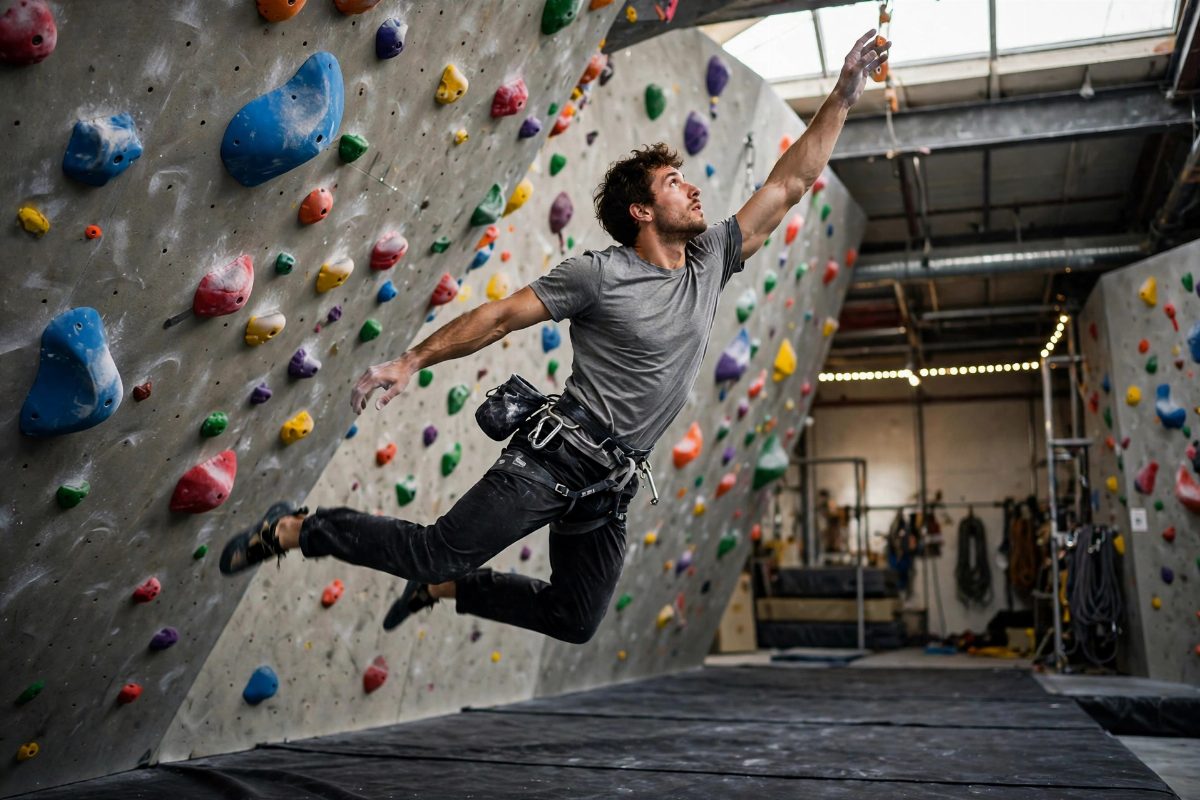
Rock climbing burns roughly 421 to 581 calories per active hour for a 160 lb (73 kg) climber depending on style — but that "per active hour" qualifier carries the whole story, because a typical 90-minute gym session holds only about 40 minutes of actual climbing. The rest is belaying, resting between attempts, and waiting for routes. In this guide you will see the style-by-weight chart, the honest 90-minute session math, and why climbing is still a superb workout even though the session total is lower than the headline rate — or check any session with our calories burned calculator.
A 160 lb climber burns about 363 calories per active hour rappelling, 421 bouldering, 544 top-roping, and 581 on hard routes. But a 90-minute session with 40 active minutes and 50 minutes of belaying and rest totals roughly 514 calories — not the 870 you get from multiplying the hourly rate by 1.5. Count active minutes and the numbers become trustworthy. Try your own sessions in our calories burned calculator or TDEE calculator.
Calculate My SessionThe Compendium of Physical Activities rates climbing by style, and the formula is the standard one: calories = MET x weight in kg x hours. These rates apply to time actually spent climbing, not time spent in the gym building:
| Style (MET) | 130 lb (59 kg) | 160 lb (73 kg) | 190 lb (86 kg) | 220 lb (100 kg) |
|---|---|---|---|---|
| Rappelling / descending (5.0) | ~295 | ~363 | ~431 | ~499 |
| Bouldering (5.8) | ~342 | ~421 | ~500 | ~579 |
| Ascending / top-rope (7.5) | ~442 | ~544 | ~646 | ~748 |
| Hard climbing, lead (8.0) | ~472 | ~581 | ~689 | ~798 |
The style ordering surprises most beginners: bouldering rates lower per hour than top-roping despite feeling harder, because bouldering attempts are short and powerful with long rests built into every problem, while top-rope routes sustain effort for several continuous minutes. Hard lead climbing tops the chart because it combines sustained movement with the mental load of clipping and route-reading, which keeps effort high throughout. Beginners also burn more than their skill suggests, because inefficient movement — over-gripping, readjusting feet, climbing with bent arms — wastes energy that experienced climbers save with technique. Getting better at climbing can, paradoxically, lower your per-route burn; the fix is harder routes, not worse technique.
Take a 160 lb (72.6 kg) climber in a 90-minute gym session: 40 minutes of active top-rope climbing at 7.5 METs, plus 50 minutes of belaying, resting, and waiting at roughly 2.5 METs. Active climbing: 7.5 x 72.6 x (40/60) = 363 calories. Belaying and rest: 2.5 x 72.6 x (50/60) = 151 calories. Session total: about 514 calories. That is a genuinely good workout — roughly equivalent to an hour of moderate cycling — but it is not the 816 calories you would get from multiplying the top-rope hourly rate by 1.5 hours, and it is not the 900-plus figures some trackers report for "climbing" sessions. If your tracker shows far more, it is almost certainly counting the whole session at the climbing rate. For weekly math, three 90-minute sessions at this honest rate total about 1,542 calories a week — a solid contribution to a calorie deficit, especially combined with the strength climbing builds that most cardio never touches.
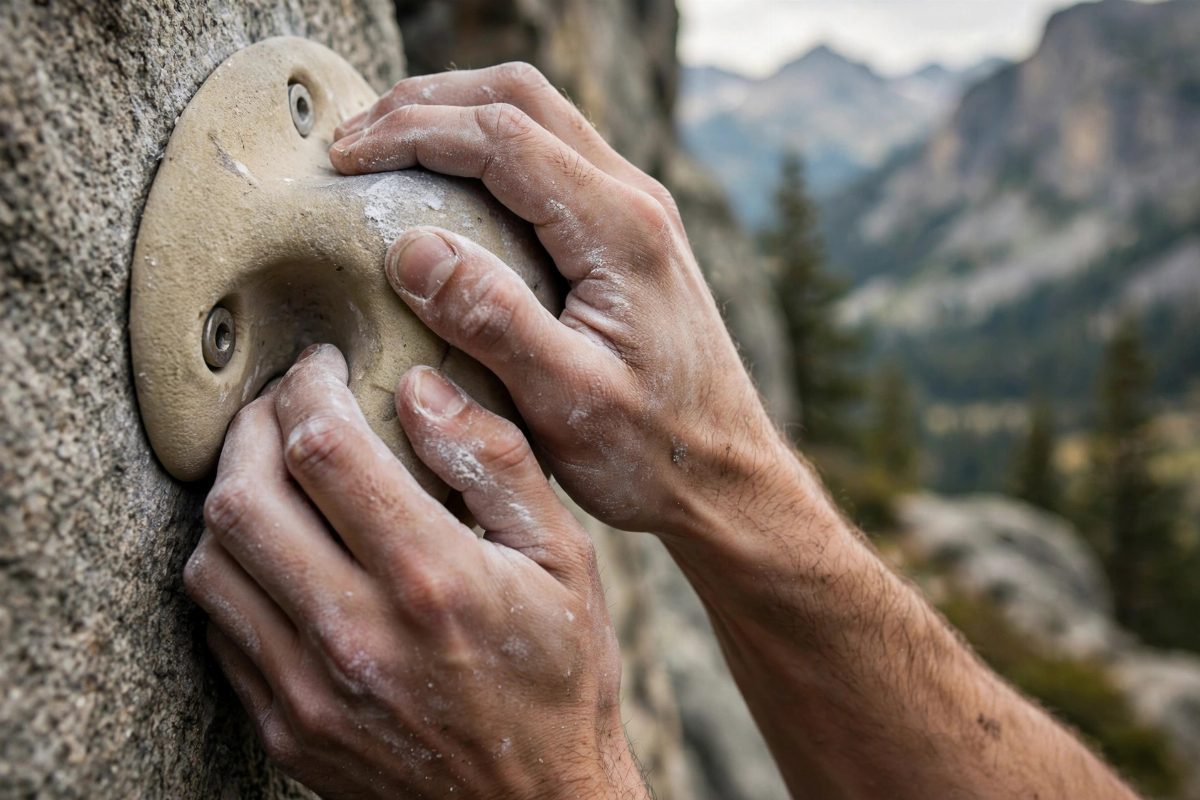
Indoor gym sessions are dense and social: short routes, quick rests, lots of belaying for partners, and easy route-switching, which is why the 40-active-minutes-in-90 pattern fits them so well. Outdoor sessions stretch the shape further — approaches on foot (which add genuine hiking burn), longer routes, more waiting for the rope, and weather delays — so a 4-hour outdoor day might hold only 60 to 90 minutes of active climbing, plus approach hiking. The approach is not a footnote: a 45-minute uphill approach with a pack can add 300-plus calories before the first route. Count outdoor days as hiking-plus-climbing, not as four hours of climbing, and the totals stay honest. Either way, the non-calorie benefits are the reason climbers stick with it: grip and pulling strength, balance, flexibility, and the problem-solving focus that makes the hour feel like twenty minutes.
Climbing works best as the strength-and-fun anchor of a week, not the sole calorie tool. Two to three sessions a week, plus two cycling or walking sessions for steady burn, covers both strength and cardio without overuse injuries — and overuse is climbing's real risk, especially finger tendons and elbows in the first year. Build volume slowly: start with two sessions a week, keep the first month's routes easy, and treat finger pain as a stop signal, not a badge. Warm up with easy routes, stretch forearms and shoulders afterward, and eat enough protein to recover — climbing is resistance training, and our protein guide covers the daily targets. Shoes matter more than gear: tight, downturned shoes help advanced climbers but cripple beginners, so start comfortable and upgrade when your feet stop hurting on easy routes.
Our calories burned calculator checks any session in seconds.
Calculate My SessionWritten by the Live Fitness Check editorial team · Reviewed against our calculator methodology · Last updated October 2026
Disclaimer: This guide is for educational purposes only and is not medical advice. Calorie figures are estimates from the Compendium of Physical Activities; actual burn varies with style, grade, rest patterns, technique, and body weight. Climbing carries fall and overuse-injury risks — learn with qualified instruction, use proper safety equipment, and talk to your doctor before starting.
